
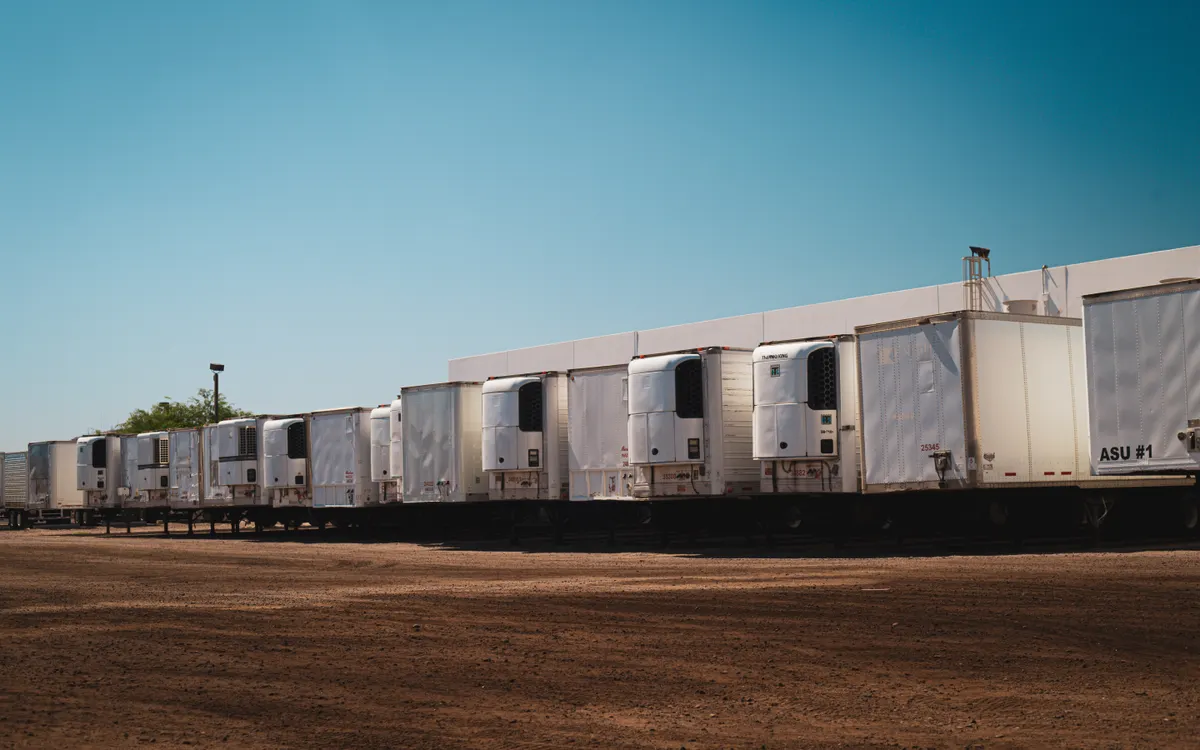
Transport and distribution companies need to keep shipments in suitable conditions on the way from warehouses to customers. This matters even more for chilled and frozen food, medicines and other temperature-sensitive products, where going outside the required limits can affect quality and fitness for use.
A reefer temperature sensor measures the temperature inside the monitored space and sends readings to a compatible device or monitoring platform. Some systems also record the data and send alerts when set limits are exceeded, depending on what the sensor, device and platform support.
This guide explains how a reefer temperature sensor works, the difference between air and product temperature, how readings are followed during transport, and the criteria that help companies choose the right reefer temperature monitoring setup for their fleet.
محتويات المقال
What Is a Reefer Temperature Sensor?
A temperature sensor is an electronic device or component that measures the temperature where it is installed and provides a reading that can be shown locally or sent to a compatible monitoring system.
In refrigerated trucks, a reefer temperature sensor can be placed inside the cargo compartment to follow the air temperature at the measuring point. It may be connected to a vehicle tracker, a data logging unit or a temperature monitoring platform. The right setup varies from truck to truck depending on the cargo, the sensor type, the connection method and the data the operations team needs.
A reefer temperature sensor does not cool the truck. It measures temperature; keeping the right conditions depends on the refrigeration unit, the insulation and correct operation.
How Reefer Temperature Monitoring Works During Transport
A temperature monitoring setup usually has several parts working together:
1. Measuring the Temperature
The reefer temperature sensor reads the temperature at its mounting point, such as inside the cargo compartment. The reading is affected by the sensor position, how it is mounted, airflow and operating conditions.
2. Sending Readings to a Device or Logger
The sensor may connect to a standalone logger or to a monitoring device that supports sensor inputs, depending on the connection type and technical compatibility. Some devices store readings locally when the connection drops, if they support this function.
3. Showing the Data on a Platform
Where connectivity and integration are available, readings are sent to a platform that shows the current temperature, previous readings and their timestamps. This lets the responsible person follow transport conditions instead of relying on manual checks alone.
4. Setting Limits and Alerts
Some systems let you set a minimum and a maximum suited to the cargo. When a reading crosses those limits, the platform may alert the right users, depending on the settings and available connectivity. Alerts only help if you name the people responsible for responding and set a clear procedure for temperature excursions, because an alert alone does not bring the temperature back into range.
Why Companies Monitor Cargo Temperature
Reefer temperature monitoring provides documented information about the conditions a shipment faced during transport, which matters most for products that require a specific temperature range.
- Protecting product quality: some food, medicines and sensitive products can be affected by unsuitable conditions. Recording temperatures helps detect and review excursions and act according to the product and the manufacturer’s instructions.
- Following long trips: on long journeys or multi-drop routes, the team may need to know whether readings stayed within approved limits for the whole trip, not just at arrival.
- Spotting temperature changes: if the temperature exceeds the company’s limit, a compatible system can alert staff to check the cause, such as a refrigeration fault, a door, the load arrangement or operating conditions.
- Better shipment records: a log of readings and timestamps helps review trip conditions and document events, when the system offers these features and is used correctly.
- Better decisions: comparing temperature records across trips and vehicles reveals repeated patterns, such as changes at certain locations or delivery stages.
7 Benefits of a Reefer Temperature Sensor
- Continuous monitoring based on system settings: instead of occasional manual checks, a reefer temperature monitoring system records readings periodically or continuously, according to the device’s capabilities and settings.
- Alerts when limits are crossed: some systems send alerts when the upper or lower limit is exceeded, so the team can start checking in good time.
- Temperature linked to trip data: if the reefer temperature sensor is integrated with a GPS tracker or tracking platform, readings can be linked to trip times and vehicle location. This shows at which stage an excursion happened, as long as temperature and location data are reasonably synchronized.
- Reviewing past data: logging systems let you review historical readings over a period and see how long an excursion lasted, if the data is sufficient.
- Whole-fleet view: the platform may show several trucks on one dashboard, helping the team see which vehicles need review or action.
- Better excursion procedures: clear alerts and reliable records help the company define what to do in abnormal cases, such as checking the refrigeration or assessing the cargo according to product instructions.
- Records for review: reports and temperature logs can be kept for review after delivery or when handling a complaint, depending on system capabilities and the data retention policy.
Temperature Sensor vs Temperature Data Logger
The two terms are related, but they can mean different things. A temperature sensor is the element that measures temperature at a specific point. A temperature data logger records readings with their timestamps over a period; it may have a built-in sensor or connect to an external one, depending on its type.
Some solutions combine measuring, logging and connectivity, while other devices log data locally without sending it to a remote platform. Before choosing a reefer temperature monitoring setup, ask whether you need only the current temperature, a continuous log, or remote alerts and exportable reports. These are different needs and may require different equipment.
Is Air Temperature Enough to Protect the Cargo?
Not always. A reefer temperature sensor inside the cargo compartment measures the temperature at its position, usually the air in the compartment, which does not necessarily match the temperature of the product itself.
Load distribution, airflow, sensor position, door openings and refrigeration conditions all affect temperatures. Choose the sensor position to suit the vehicle design and the product, based on approved operating procedures. In some applications, a logger inside the packaging or between products is needed to follow the conditions the cargo itself experiences, depending on product requirements, manufacturer instructions and applicable rules.
Choosing a reefer temperature sensor is therefore not only about the measuring range; it also covers the mounting position, the purpose of measurement and how readings are documented.
Which Sectors Need Temperature Monitoring in Transport?
- Chilled and frozen food: companies must define suitable transport conditions for each product category. There is no single temperature for all foods; the limits depend on the product and its approved handling and storage instructions.
- Medicines and medical products: some require specific transport conditions that must not be exceeded without assessment. Set the allowed range from the product instructions and the competent authority’s requirements, and choose a device that matches the documentation level required.
- Cold chains for sensitive products: temperature monitoring supports operations that must keep specific conditions through storage, transport and delivery, provided suitable devices and clear excursion procedures are in place. See our cold chain monitoring solution.
- Distribution companies: businesses delivering sensitive products to several locations can record and review readings for each trip or shipment when the product requires it.
How to Choose a Reefer Temperature Sensor
Before buying, review these criteria:
- Required temperature range: define the lowest and highest temperatures to measure for the cargo and the manufacturer’s instructions, and check that the reefer temperature sensor covers this range with suitable accuracy.
- Accuracy and calibration: check the accuracy specifications and the calibration or periodic verification requirements, and keep the necessary records. A number on a screen does not by itself prove that the measurement is accurate or fit for purpose.
- Connection and integration: a sensor may be wired, wireless or used with a standalone logger. To link readings to a GPS platform, confirm that the sensor, device and platform are compatible.
- Logging and alerts: decide whether you need live readings, a historical log, limit alerts or exportable reports, and confirm the system actually supports them.
- Position and installation: ask about the best position in the vehicle and how airflow, load distribution, doors and refrigeration units affect the reading. Some applications need more than one measuring point.
- Durability: check suitability for vibration, humidity, dust and expected ambient temperatures, with installation that fits the vehicle design and safety requirements.
- Total scope: look beyond the sensor itself to the logger or tracker if needed, installation, calibration, connectivity, the platform subscription and technical support.
How a Tracking Platform Supports Reefer Temperature Monitoring
When reefer temperature sensor readings are integrated with a compatible tracking platform, the operations team can review temperature data together with vehicle and trip information, depending on the available features. The platform may show the latest reading, past readings and the vehicle’s location at a given time if the data is synchronized, and may let you set alert limits and follow the trucks that need review.
Integration does not mean the tracking platform controls the refrigeration unit. In most monitoring solutions, the sensor and platform measure, record and notify, while correcting the temperature requires the refrigeration system or the person responsible for the vehicle. Define the response path for each alert in advance, including who checks the reading and what action protects the cargo. Our truck tracking system guide explains how to choose the tracking side.
Temperature Monitoring Requirements in Saudi Arabia
The Saudi Food and Drug Authority (SFDA) states that products needing a specific transport or storage temperature, according to the manufacturer’s instructions, should use a temperature data logger that is switched on when the shipment starts. Examples on the SFDA page include chilled and frozen food and certain medical devices. See the SFDA guidance on temperature indicators and data loggers during transport.
The World Health Organization also covers choosing suitable monitoring devices for temperature-sensitive products in its guidance on temperature-controlled transport operations.
Check the requirements that apply to your specific product and activity, as logging, documentation and device requirements can vary by product and regulator. Do not assume that one reefer temperature sensor or a reading on a tracking dashboard automatically meets every requirement.
Common Mistakes in Cargo Temperature Monitoring
- Choosing a reefer temperature sensor without defining the range: the device may not suit the cargo if its range and accuracy are wrong.
- Mounting the reefer temperature sensor in the wrong place: position and airflow affect the reading, so choose the location based on measurement needs.
- Relying only on the current reading: one reading may not show what happened during the trip; you may need a historical log or a data logger.
- Ignoring calibration and verification: follow the calibration or verification procedures that the application and the device specifications require.
- Thinking an alert fixes the problem: an alert shows a possible excursion but does not fix the refrigeration unless a control system designed for that exists.
- No owner for alerts: set a clear procedure for abnormal readings and record the steps taken.
Frequently Asked Questions
Does a reefer temperature sensor cool the truck?
No. The sensor measures temperature and may send readings to a device or platform. Cooling depends on the refrigeration unit, the vehicle’s equipment and correct operation.
Can reefer temperature monitoring be done remotely?
Yes, when the sensor connects to a device or platform that supports remote readings and the necessary connectivity and settings are in place.
Can a reefer temperature sensor be connected to a GPS tracker?
Yes, if the tracker supports the sensor and its connection type. Check compatibility between the sensor model, the device and the platform before installation.
Is measuring air temperature inside the truck enough?
It depends on the cargo and the measurement requirements. Air temperature at one point does not mean every product has the same temperature, and some applications need extra logging inside the packaging.
Do I need a temperature data logger?
If you need to keep trip readings and timestamps, or the product requirements call for it, a data logger may be suitable. Define the type of logging and the retention period based on your use and the applicable requirements.
How do I set the right temperature for a shipment?
Follow the manufacturer’s instructions and the approved transport and storage requirements for the product. Do not apply one range to different foods or medicines without checking each product’s requirements.
How Afaq Alrasd Aldhki Can Help
Afaq Alrasd Aldhki provides vehicle tracking and operational data monitoring, and can assess integrating a reefer temperature sensor with Afaq Platform based on device compatibility and your operating needs. Start by defining the cargo type and the required temperature limits, then choose the sensor, platform and documentation method before rollout. Explore our logistics fleet solutions, add load data with a truck axle load sensor, or request a quote.