Monitor fuel consumption and understand your fleet better
Fuel monitoring solutions help you review the fuel and consumption readings available for your vehicles and follow supported operating data and alerts, so you can better understand how your fleet is used and make better operational decisions.
What is fuel monitoring?
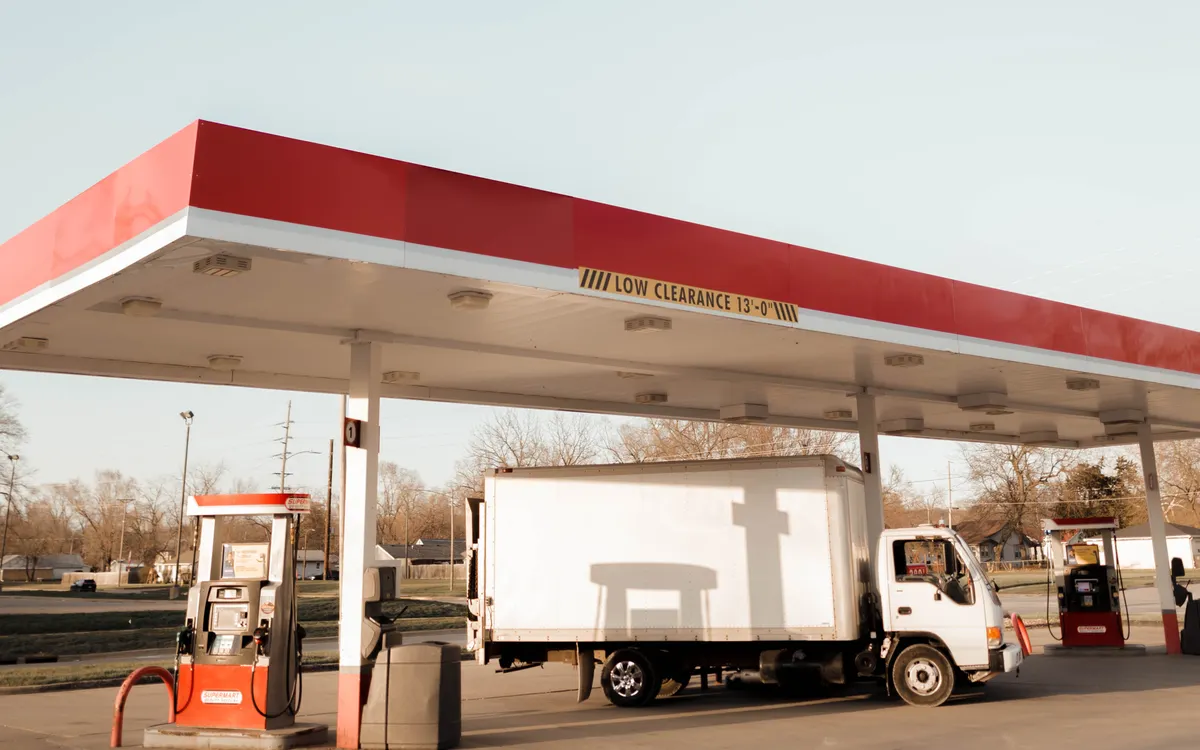
Fuel monitoring helps fleet operators review the fuel readings and consumption information available, to better understand how vehicles are used and how they operate.
It typically covers:
- Fuel level, when the reading is available.
- Fuel consumption data, when the vehicle or equipment supports it.
- Reviewing changes in the available readings.
- Using the reports and alerts the platform supports.
- Using the data when reviewing operating costs.
How useful and accurate the readings are depends on the measurement method, the vehicle, sensor or CAN Bus support, calibration, the tracker, the platform and its configuration.
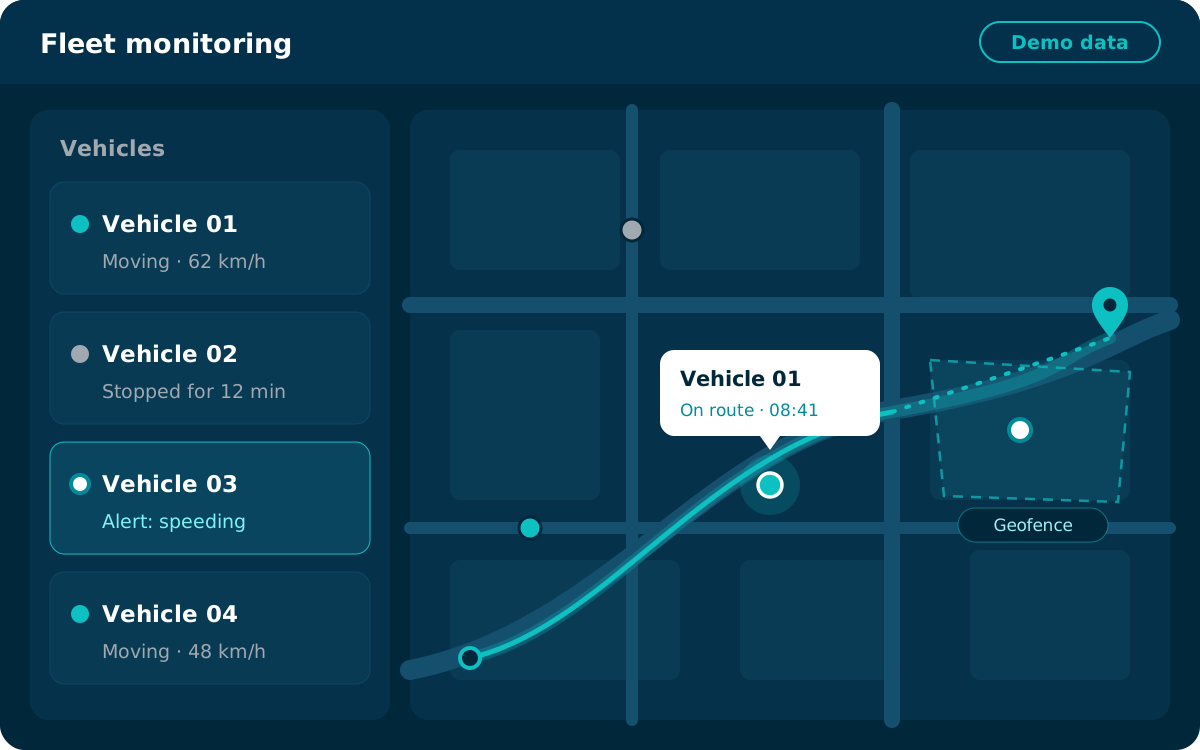
The interface shown is illustrative and does not display real data.
Why monitor fuel?
Following fuel with organised data helps you understand operations rather than relying on estimates alone.
A clearer view of fuel levels
Review the available readings to help understand fuel status during operation.
Following consumption patterns
Use supported consumption data to review vehicle use and differences between trips.
Reviewing unusual events
Review changes in readings and recorded alerts, checking the actual circumstances before taking any action.
Supporting operational decisions
Use the information available to help review usage and costs and identify opportunities for improvement.
How can fuel be read in vehicles?
Two main ways to read fuel, each with different requirements.
Reading fuel via CAN Bus
- Relies on fuel data made available by the vehicle’s electronic network.
- May not need a separate tank sensor when the required data is available and suitable.
- Requires checking the compatibility of the vehicle, device, adapter and settings.
- Readings and detail vary with the vehicle and its electronic network.
Reading fuel via a tank sensor
- Relies on a sensor suited to the vehicle’s tank to measure the fuel level.
- Can be a suitable option when the required CAN Bus reading is unavailable, or when a different measurement is needed.
- May need proper installation, calibration and connection.
- Results depend on the sensor type, the tank, the calibration method and installation conditions.
Which method suits your vehicle?
A practical comparison of the two methods; neither is the right choice in every case.
| Criterion | CAN Bus | Tank sensor |
|---|---|---|
| Reading source | Fuel data made available by the vehicle’s electronic network. | Fuel level measured by a sensor installed in the tank. |
| Separate tank sensor needed | May not be needed when the required reading is available and suitable. | Yes, a sensor suited to the tank is installed. |
| Vehicle compatibility check | Essential, to confirm the required reading is available on the vehicle network. | Required, to confirm the sensor suits the tank shape and installation conditions. |
| Installation and setup | A compatible tracker, possibly an adapter, and suitable configuration. | Sensor installation, connection, calibration and platform setup. |
| Dependence on vehicle and equipment | Available readings vary by vehicle, model year and electronic network. | Results depend on the sensor type, the tank and the calibration method. |
| When it may suit | When the vehicle provides the required fuel reading and the device and adapter support it. | When the required CAN Bus reading is unavailable, or a different measurement is needed. |
How is the choice made? The right choice depends on the readings required, vehicle compatibility, the tank and its configuration, existing hardware, installation conditions and the monitoring approach you want; no single method is best in every case.
Capabilities that help you follow fuel data
Capabilities that depend on the installed equipment, the platform, configuration and data availability.
Fuel level
Review fuel levels based on the available data or sensor readings.
Consumption data
Follow fuel consumption when the vehicle or measurement setup provides the data needed.
Reading history
Review recorded readings for the periods the platform retains data.
Alerts
Use alerts that can be configured based on the data and functions the device and platform support.
Usage reports
Review the reports available to help understand vehicle operating patterns.
Combined with vehicle data
Combine fuel readings with tracking data or other CAN Bus data where supported.
How a fuel monitoring setup works
Steps that start by identifying the right reading method before choosing equipment.
Identify the right reading method
Assess the vehicle and the readings required to decide whether CAN Bus or a tank sensor is suitable.
Choose compatible equipment
Select the tracker and, where needed, the sensor or adapter, after checking compatibility.
Setup and calibration
Set up the device and platform, and calibrate the tank sensor where this applies.
Review readings and reports
View and review the available readings on the platform, and use the supported reports and alerts.
Equipment, calibration and configuration vary from vehicle to vehicle; not every installation needs the same components.
Reviewing fuel changes and alerts
Fuel readings and alerts can support the review of unusual events, when the hardware and platform support the measurements required.
What can be reviewed?
- Recorded changes in fuel level.
- Readings compared across specific operating periods.
- Supported alerts and their related settings.
- The actual circumstances, checked before interpreting changes in readings.
- Event logs that support operational review.
Possible causes of unusual readings
- Refuelling.
- Vehicle inclination or fuel movement in the tank.
- Sensor calibration.
- Measurement limits.
- Data transmission issues.
Important: a particular change in a reading does not prove fuel theft, and not every system can detect theft reliably. Always check the actual circumstances before interpreting any change.
How fuel data supports operational decisions
The fuel and consumption data available can support an organised review of operations and costs.
Fuel usage patterns
Review fuel usage patterns across different periods.
Comparing consumption
Compare consumption between vehicles or periods when comparable data is available.
Linking to operating data
Understand how vehicle use relates to other operating data.
Reviewing fuel costs
Support fuel-cost reviews within your organisation’s procedures.
Cases worth reviewing
Identify cases that merit further review.
Please note: comparisons based on odometer, trip distance, engine hours or CAN Bus data require those readings to be available and compatible.
Compatibility and fuel data integration
The right solution depends on the vehicle, the readings required, the equipment and the platform’s capabilities.
What determines the right solution?
- Vehicle make, model and year.
- Availability of the required CAN Bus parameters.
- Tracking device compatibility.
- An adapter, where one is required.
- Tank shape and sensor suitability for measurement.
- Installation and calibration conditions.
- Tracking platform and reporting capabilities.
Fuel data on the tracking platform
Compatible fuel data can be used with the tracking platform and related reports. For CAN Bus readings, a suitable adapter may be needed after a compatibility check.
Optional Odoo integration
A separate system that can receive selected data from the fleet system where supported; it is not required to monitor fuel.
An optional, one-way integration.
Fuel monitoring solutions that fit your fleet
An approach that starts with the readings you need and chooses the right measurement method for your vehicles.
Understanding your needs
Understanding your operational needs and the readings required.
The right reading method
Help choosing the right fuel-reading method.
Compatibility checks
Checking the compatibility of vehicles and equipment.
Platform setup
Setting up the platform and the supported reports and alerts.
Technical support
Support within the agreed scope of service.
Fuel monitoring FAQs
Short answers to common questions about fuel monitoring.
What fuel-reading methods are available for vehicles?
There are two main methods: reading via CAN Bus, when the vehicle makes fuel data available on its electronic network, or reading via a sensor installed in the fuel tank. The choice depends on the vehicle and the reading required.
What is the difference between reading fuel via CAN Bus and via a tank sensor?
A CAN Bus reading relies on the data the vehicle makes available, while a tank sensor measures the fuel level directly once it has been installed and calibrated. Each method has different requirements, and neither is the best fit in every case.
Can fuel be read via CAN Bus on every vehicle?
No. Not every vehicle makes fuel readings available over CAN Bus, and the readings available vary with the manufacturer, model, year, electronic network, device and adapter. Compatibility must be checked first.
Does a tank sensor need calibration?
In most cases, yes. Tank sensors usually need calibration suited to the tank shape and installation method, and the quality of the calibration affects how useful the readings are.
Can alerts be set up when the fuel level changes?
Yes, when the device and platform support this function and the required reading is available. Alert options and settings vary from one platform to another.
Does an unusual reading mean fuel has been stolen?
Not necessarily. An unusual reading can result from refuelling, vehicle inclination, sensor calibration, measurement limits or data transmission issues, so the actual circumstances should be checked before interpreting it.
Can fuel data be combined with GPS data?
Yes. When the combination used is supported, fuel readings can be displayed with location and trip data on the tracking platform, depending on the platform’s capabilities and configuration.
How do I know which fuel-reading method suits my vehicle?
We review your vehicle details, the readings you need, the tank and any existing equipment with you, and then recommend a suitable method after checking compatibility.
Start following fuel more clearly
Find out which fuel-reading method suits your vehicles, and which devices or sensors you need to get the data you require.