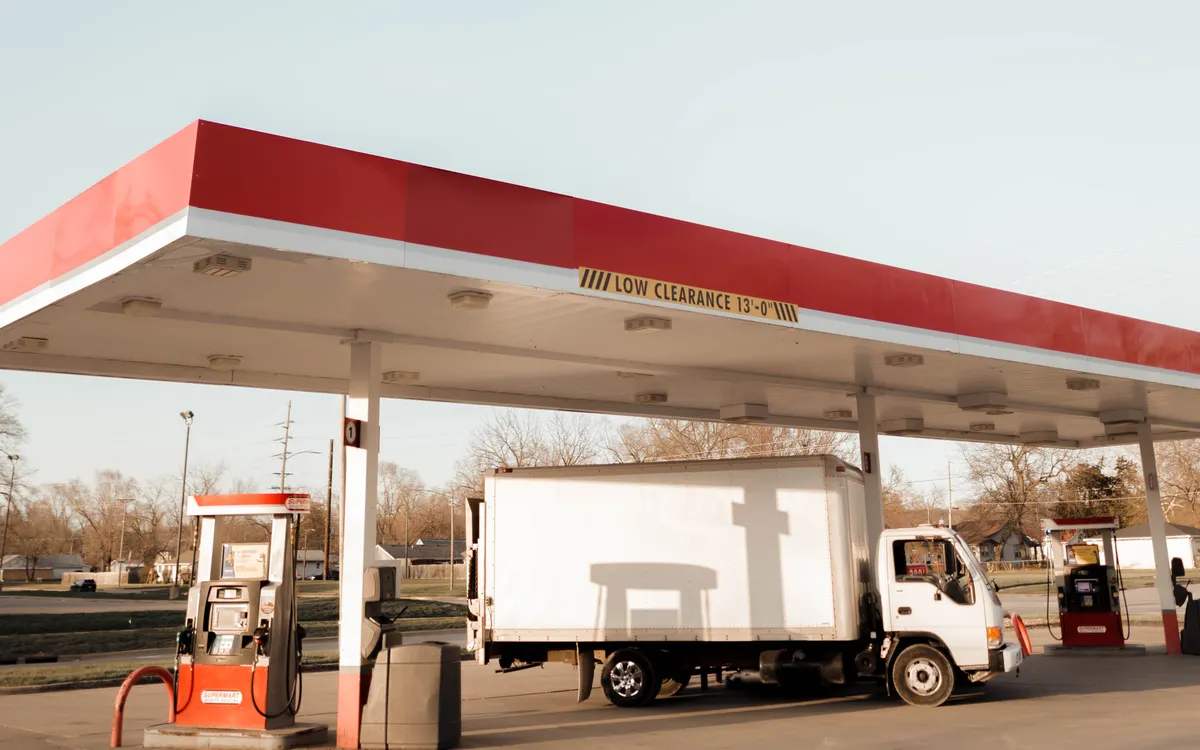
Fuel monitoring matters to every company that relies on cars and trucks for transport, distribution and field services. With many vehicles and trips, management needs data to review fuel levels and understand consumption. When choosing a system, one question comes up quickly: fuel level sensor vs CAN bus, which is better? Can you read fuel data directly from the vehicle, or should you fit a dedicated fuel level sensor in the tank?
The full picture: read our fleet fuel management guide.
The answer depends on the vehicle type, the data it provides, the tracking system you use and your project requirements. This guide explains how each method works, its strengths and limits, and how fleets in Saudi Arabia can choose the right one.
محتويات المقال
What Fleet Fuel Monitoring Means
Fuel monitoring means collecting data on fuel level, or indicators linked to consumption, and recording it in a suitable system. Companies use it to review operations, compare readings across trips, understand consumption patterns and check unusual changes.
Separate two things: fuel level is the amount of fuel in the tank, while fuel consumption is how much the engine used over a period or distance. Having one does not automatically give you the other.
Reading Fuel Data From CAN Bus
CAN bus is a network inside the vehicle that lets electronic control units exchange data. In some vehicles, fuel-related values are available through a compatible data interface. If the vehicle provides them and the tracker can read them, CAN bus fuel data can be sent to a platform that displays it, such as a fuel level indicator or consumption values.
Having CAN bus in a vehicle does not guarantee fuel data for the tracker. Check the make, model, year, available signals and interface. Some readings are estimates or calculated values, so understand the source before using them in reports. Our guide What Is CAN Bus? explains the network in more detail.
How a Dedicated Fuel Level Sensor Works
A fuel level sensor is a device that measures the fuel level in the tank, or changes in that level, depending on its design. A common example is an electronic sensor installed inside the tank that sends readings to the tracker or a compatible monitoring unit, which forwards them to the platform.
For useful readings, the sensor usually needs calibration to the tank’s shape and size. Fuel movement and operating conditions also affect readings, so results depend on the sensor type, installation and settings. Buying a fuel level sensor alone is not enough; it must be compatible with your tracker, connection method and platform.
Fuel Level Sensor vs CAN Bus at a Glance
| Aspect | CAN bus fuel data | Fuel level sensor |
|---|---|---|
| Data source | The vehicle’s own electronics | A sensor fitted to the tank |
| Availability | Only on vehicles that provide the signal | Possible on most tanks after assessment |
| Installation | Usually a data connection only | Sensor installation and calibration |
| Main limitation | Signal varies by vehicle | Quality depends on fitting and calibration |
This is a general comparison; the right method for a specific vehicle can only be decided after checking compatibility and requirements.
Advantages of CAN Bus Fuel Data
- Uses data already in the vehicle: if a compatible reading exists, you may not need a separate fuel level sensor.
- Simpler installation: where suitable data is available, fitting can be easier than installing a sensor in the tank.
- Combined view: fuel readings appear next to location and trip data on the same platform.
- More indicators: the same connection may provide other operating values the platform supports.
Limits of CAN Bus Fuel Data
- Varies between vehicles: not every vehicle exposes fuel data in the same way.
- Unclear meaning: a value labeled “fuel” may be a level, a consumption figure or an estimate.
- Technical verification: the tracker must read the right signal and the platform must show it correctly.
- Extra interfaces: some vehicles need additional settings or hardware, and some data may be unavailable.
Advantages of a Fuel Level Sensor
- Dedicated measurement: the fuel level sensor is chosen for the tank, the vehicle and the monitoring goal.
- Works without vehicle data: a practical option when the vehicle provides no readable fuel signal.
- Level changes over time: when installed and calibrated correctly, it records fuel level changes during operation.
A change in fuel level does not prove its cause on its own; vehicle movement, tank shape, operating conditions and measurement quality all play a part.
Installation Challenges
- Matching the fuel level sensor to the tank and vehicle type.
- Following safe, approved installation procedures.
- Checking wiring, power and tracker compatibility.
- Calibrating the sensor and verifying readings after installation.
Installation should be done by a qualified technician following fuel and vehicle safety rules, with no improvised changes to the tank or wiring.
Which Is More Accurate?
Neither method is more accurate in every case. CAN bus readings depend on the data source in the vehicle, how it is calculated and the compatibility of the device. A fuel level sensor depends on its type, position, calibration, tank shape and operating conditions. Define the information you need first, check what the vehicle offers, then compare it with a dedicated sensor. In some projects CAN bus fuel data is enough; in others a sensor fits better. Base the decision on technical checks and tests, not on assumptions.
Can GPS Alone Monitor Fuel?
No. GPS determines location; it does not measure fuel. A tracker can combine GPS with fuel data from a compatible source, such as a vehicle signal or a fuel level sensor, so the platform shows fuel readings along each trip. To understand typical consumption, see our guide on truck fuel consumption per 100km.
How to Choose the Right Method for Your Vehicles
- What are the make, model and year of each vehicle?
- Does the vehicle provide readable fuel data?
- Do you need fuel level in the tank, consumption data or both?
- Can your tracker read the required data, or is a fuel level sensor needed?
- What are the installation and calibration requirements?
- Can the platform display and record the readings as you need?
- How will readings be verified after installation?
Frequently Asked Questions
What is the difference between a fuel level sensor and CAN bus?
CAN bus is a network inside the vehicle that may provide fuel data if the signals are available, while a fuel level sensor measures the level in the tank based on its own design.
Can fuel be read from CAN bus on every truck?
No. It depends on the truck model and year, the available signals and the compatibility of the tracker or interface.
Is a fuel level sensor more accurate than CAN bus data?
Not necessarily. Accuracy depends on the data source, measuring method, device, calibration and operating conditions.
Does a fuel level sensor need calibration?
Usually yes, according to the sensor type, the tank and the installation method, so readings suit their intended use.
Does every drop in fuel reading mean theft?
No. Changes can come from normal consumption, fuel movement in the tank or measurement conditions. Review the data and operating context before drawing conclusions.
Can fuel monitoring be linked to GPS tracking?
Yes, if the tracker and platform support receiving fuel data and showing it with location information. GPS alone does not measure fuel.
How Afaq Alrasd Aldhki Can Help
We help fleets in Saudi Arabia settle the fuel level sensor vs CAN bus question vehicle by vehicle: we check what each vehicle provides, recommend a compatible fuel level sensor where needed, and show fuel data next to trips on Afaq Platform. Explore fleet fuel monitoring and our Teltonika CAN bus guide, or request a quote.