School Bus Tracking for Better Transportation Visibility and Safety
Help school administrators and transportation teams monitor bus locations, routes, and available trip records through GPS tracking and configurable operational alerts. Gain better visibility over school transportation to support supervision and daily operations.
School Transportation Challenges
Common operational challenges that tracking data can help follow up on, without eliminating them entirely.
Limited location visibility
Limited visibility into school bus locations during trips.
Many routes and buses
Difficulty supervising several routes and buses simultaneously.
Reviewing trips
The need to review recorded trips and movement history.
Delays and deviations
Better visibility over delays or unexpected route deviations when relevant data is available.
Driving events
Monitoring driving-related events where supported.
Team coordination
Coordinating transportation supervisors, school administrators and drivers.
Clear procedures
Maintaining clear internal procedures for reviewing transportation events.
Monitor Bus Locations From One Platform
GPS tracking can support school transportation supervision by:
- Reviewing the latest reported bus locations.
- Viewing multiple tracked buses through the platform where supported.
- Reviewing trip history and vehicle movement records.
- Associating available location records with the relevant vehicles.
- Using location visibility to support coordination during operating hours.
Please note: tracking updates depend on hardware, network coverage, configuration and platform capabilities; uninterrupted, perfectly instantaneous updates cannot be guaranteed.
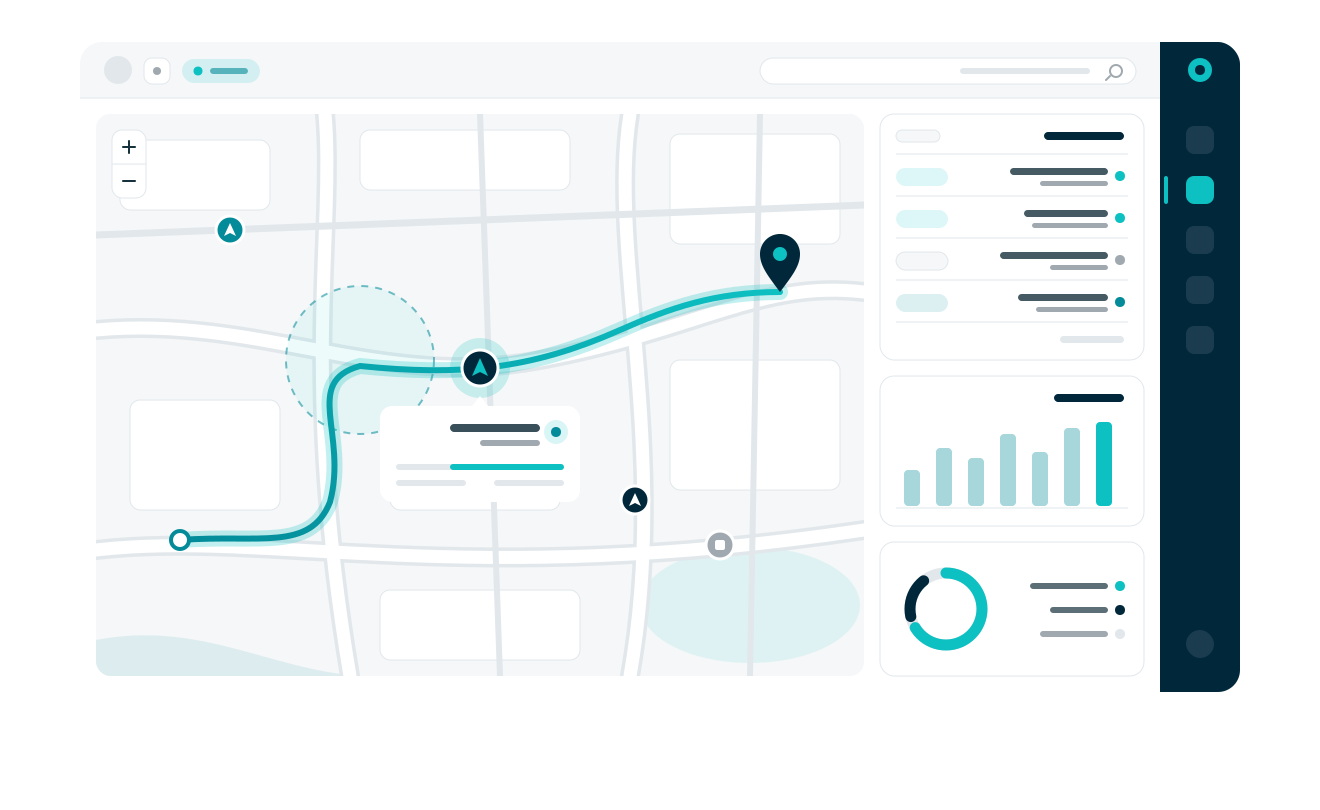
The interface shown is illustrative and does not display real data.
School Route and Trip Monitoring
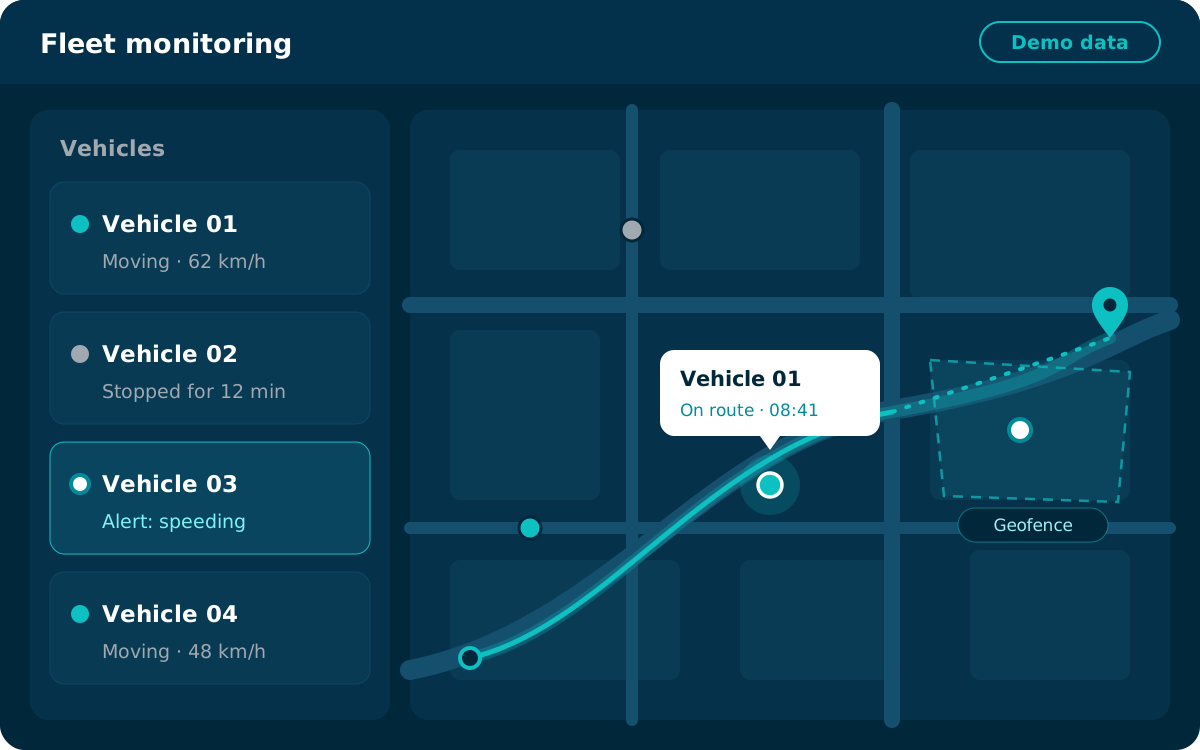
Route monitoring can help schools and transportation operators supervise daily journeys by:
- Reviewing the planned route when the platform supports route configuration.
- Comparing available trip records with intended routes where supported.
- Identifying recorded route deviations when configured.
- Reviewing travel history to help investigate delays or unexpected movement.
- Supporting discussions about route planning and transportation operations.
Please note: not every GPS platform offers automatic route optimization, traffic-aware routing, automatic dispatch or route assignment; these functions depend on the selected platform.
Driving Indicators and Operational Events
Available tracking data can help supervisors review driving-related events, such as:
Speed-limit events
Speed-limit events where supported and configured.
Braking and acceleration
Harsh braking or acceleration events where supported.
Trip activity
Trip activity and vehicle movement records.
Ignition and vehicle status
Ignition or vehicle-status events where available.
Please note: these indicators support internal review and driver coaching but do not automatically establish the cause of an incident.
Geofencing and School Transportation Areas
Supported geofencing features can assist transportation supervision, for example:
School campuses
Defining geographic boundaries around school campuses.
Depots and yards
Defining designated depots or transportation yards.
Entry and exit
Monitoring vehicle entry or exit events where supported.
Outside operating areas
Reviewing movement outside configured operating areas.
Please note: geofences provide location-based monitoring only. They do not independently confirm that students have boarded or left a bus, and alert availability depends on configuration and location updates.
Optional Passenger Identification Workflows
Boarding or identification workflows may be considered using compatible technologies such as RFID cards or iButton devices, but only when:
Compatible hardware
Appropriate compatible hardware is available.
Platform support
The platform supports the required identification workflow.
Software integration
The relevant software integration is implemented.
Operating procedures
The school has established appropriate operating procedures.
Please note: GPS location alone does not verify which students are on a bus. Student attendance tracking, automatic boarding confirmation, parent notifications and student identity verification are not included in the core GPS tracking solution.
Optional Video Monitoring Capabilities
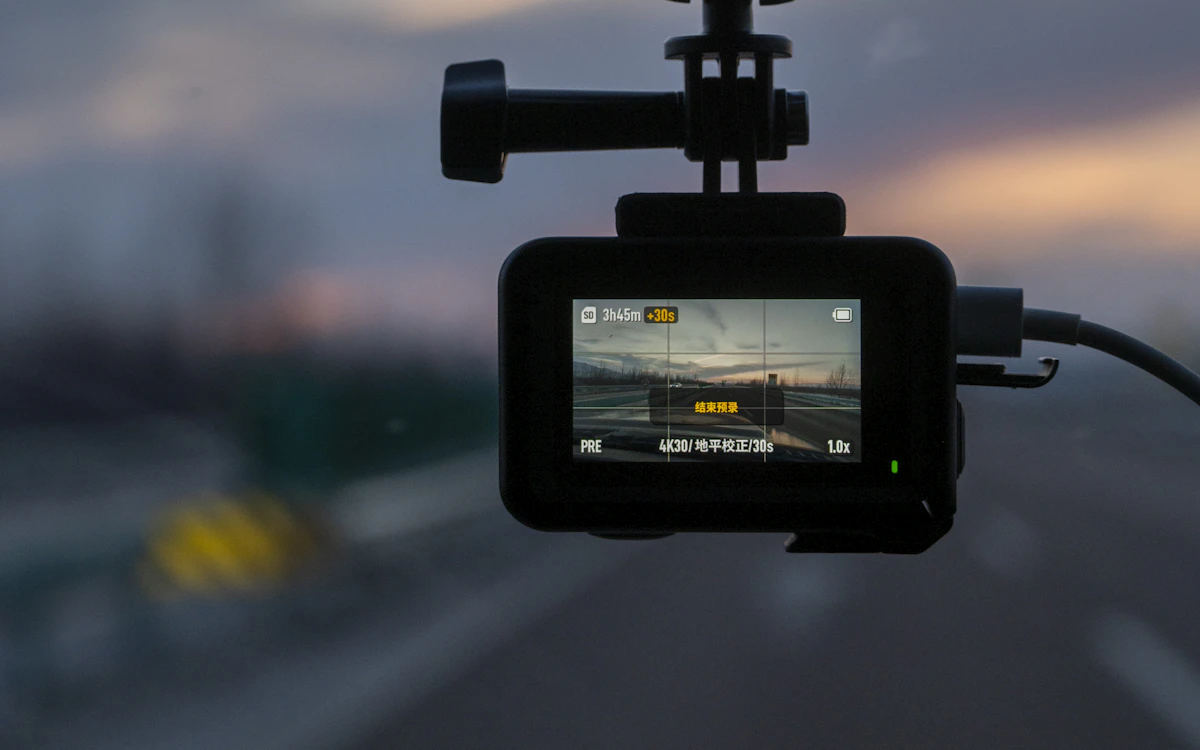
Compatible camera or video-telematics solutions can be considered where a school transportation operator requires additional visibility. Potential capabilities, where the installed hardware and platform allow them:
- Road-facing video.
- Driver or cabin monitoring.
- Recorded footage associated with supported event workflows.
- Video review where the installed hardware and platform allow it.
Please note: cameras are not included with a GPS tracker, and live video, cloud recording, event-triggered recording, ADAS or driver-monitoring functions are not always available. Any camera implementation should follow the school’s applicable privacy practices and internal policies.
Alerts That Support Transportation Supervision
Potential events include configured speed-limit events, entry into or exit from defined geographic zones, recorded unexpected movement where supported, and supported ignition or other vehicle-status events.
Configure rules
Configure the available monitoring rules.
Receive a notification
Receive a supported event notification.
Review the details
Review its time, vehicle and location details where available.
Follow procedures
Follow the organization’s transportation procedures.
Record the outcome
Record the outcome where required.
Not every alert is instantaneous, and the platform does not automatically contact parents, emergency services or authorities.
Clearer Trip and Event Records
Available transportation records that can support operational review, subject to platform capabilities.
Historical locations
Historical vehicle locations.
Trip records
Available trip and movement records.
Driving events
Recorded driving events.
Vehicle status
Available vehicle-status information.
Reports by vehicle
Reporting by vehicle or selected period where supported.
Benefits for Schools and Transportation Operators
Realistic operational benefits that depend on the installation, settings and follow-up, without guaranteeing safety or on-time arrivals.
Better bus visibility
Better visibility over school buses.
Easier trip review
Easier review of available trip history.
Structured supervision
More structured transportation supervision.
Access to event records
Better access to relevant vehicle-event records.
Improved coordination
Improved coordination among authorized transportation personnel.
Planning improvements
Support for reviewing operational patterns and planning improvements.
Privacy and Responsible School Transportation Monitoring
Student transportation information is sensitive, so it is important to:
Restrict access
Restrict access to location and trip information to authorized users.
Clear policies
Establish clear data-access and retention policies.
Inform people
Inform relevant people about monitoring practices as required by applicable policies and law.
Appropriate safeguards
Apply appropriate safeguards when student identification or video features are used.
Review procedures
Review alerts through clear internal procedures.
Please note: these are general practices, not legal advice; each school or operator should review the regulatory requirements that apply to it.
Why Choose Afaq Smart Tracking?
An approach that starts with your school’s transportation requirements.
Understanding requirements
Understanding the school’s transportation requirements.
Suitable capabilities
Helping identify suitable tracking and monitoring capabilities.
Configuration
Supporting configuration of available routes, alerts and vehicle records.
Optional systems
Considering compatible sensors or optional systems when required.
Implementation
Supporting implementation and platform setup according to the agreed scope.
Technical support
Technical support according to the agreed service arrangement.
Frequently Asked Questions
Short answers to common questions about school bus tracking.
Can all school buses be monitored from one platform?
Yes, when the buses are fitted with compatible devices and added to the platform account. This depends on the platform, device setup and account configuration.
Can the school review routes and trip history?
Yes, when the records are available; this depends on platform functions and data-retention settings.
Can an alert be configured when a bus leaves a defined area?
Yes, when the platform supports this feature and the geofence is configured, with suitable location updates available.
Can the system confirm whether students have boarded?
GPS alone does not confirm student boarding. Identification workflows require appropriate hardware such as RFID or iButton, a platform that supports them, an implemented software integration and clear operating procedures.
Can notifications be sent to parents?
Parent notifications are not an automatic core feature of the tracking solution; they require a supported and implemented workflow.
Can cameras be added to the tracking solution?
This can be considered; camera features depend on compatible hardware and its integration with the platform.
Can driving behavior be monitored?
Yes, to the extent supported by the tracker, the vehicle and the configuration, such as speed, harsh braking and rapid acceleration events.
Does the system operate continuously without interruption?
Continuous, uninterrupted updates cannot be guaranteed; network coverage, device condition and power supply all affect reporting.
Improve School Transportation Visibility
Discuss your school or transportation operation with Afaq Smart Tracking to identify suitable tracking, alerting, and reporting capabilities for your bus fleet.