Smart Logistics Solutions for Fleet Visibility and Distribution Operations
Bring vehicle tracking, trip monitoring, fuel data, sensors, and driving indicators together to gain clearer operational visibility. Afaq Smart Tracking helps transportation and distribution businesses identify suitable monitoring capabilities for their fleet and day-to-day operations.
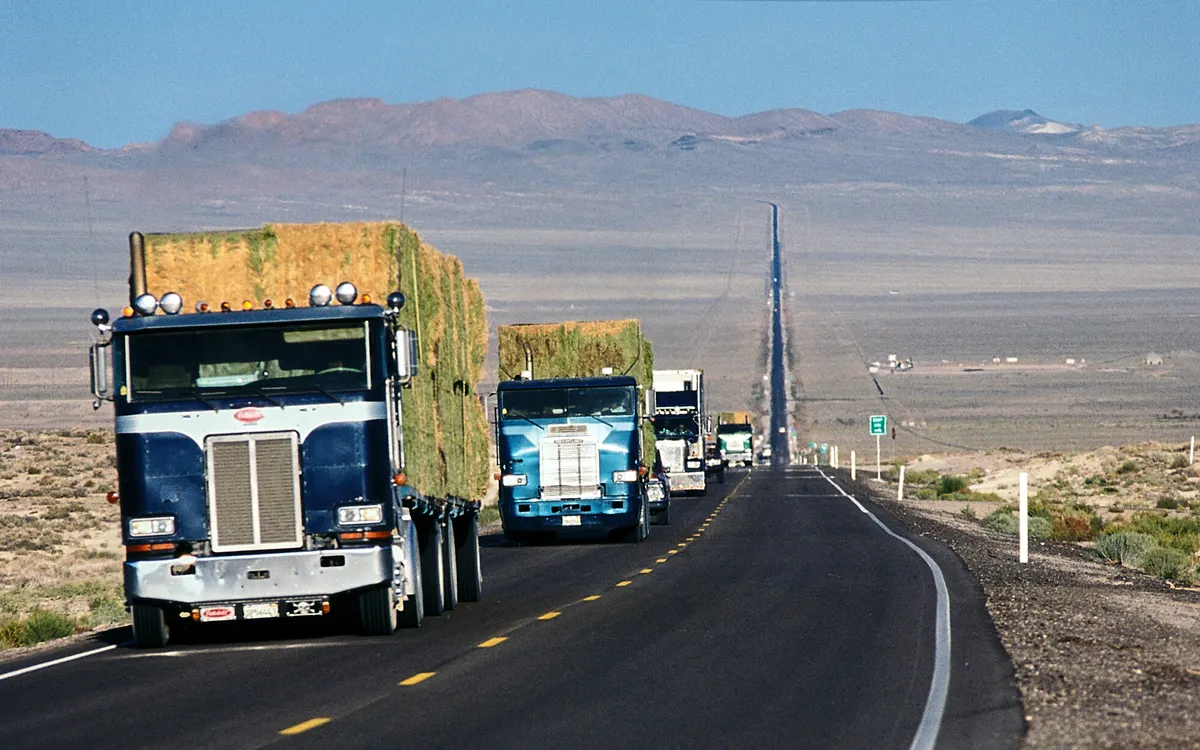
Better Visibility Across Transportation and Distribution
Transportation and distribution companies face day-to-day challenges such as:
- Limited visibility into the location and progress of vehicles.
- Difficulty reviewing trip history and unexpected route deviations.
- The need to monitor available fuel and vehicle operating data.
- Temperature-sensitive shipments that require monitoring sensors.
- Door or cargo-area monitoring requirements where compatible sensors are installed.
- Difficulty coordinating multiple vehicles, drivers and delivery locations.
- The need for better operational reports and cost visibility.
The relevant features are selected according to each business’s fleet, vehicles, cargo, hardware and operational requirements.
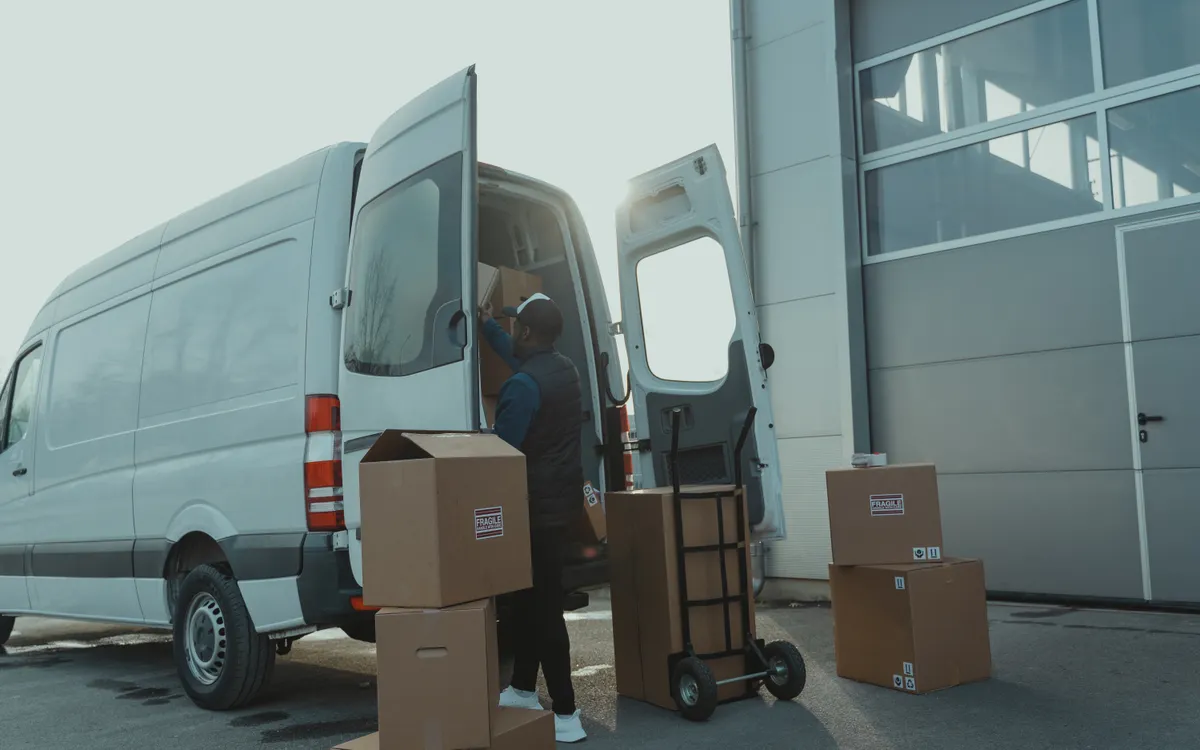
Capabilities That Match Your Fleet Requirements
Capabilities that can be combined to suit your operation, each with its own page of detail where available.
GPS Fleet Tracking
Review current vehicle locations, available trip records and movement history.
Route Monitoring and Optimization
Support route visibility and route planning where the relevant platform features are available.
Fuel Monitoring
Review available fuel levels and consumption through compatible CAN Bus data or suitable fuel sensors.
Temperature Monitoring
Monitor readings and configured threshold alerts using compatible temperature sensors and supported equipment.
Door Monitoring
Review door-related events when supported by compatible sensors or vehicle signals.
Driving Behavior Monitoring
Review supported events such as speeding, harsh braking and sudden acceleration.
CAN Bus and Vehicle Data
Access available vehicle data according to the make, model, year, ECU, tracker, adapter and configuration.
Video Telematics
Integrate available vehicle-camera and video-monitoring capabilities where supported by the selected hardware and platform.
Asset and Equipment Tracking
Track relevant trailers, equipment and other mobile assets using suitable hardware.
From Operational Requirements to Fleet Visibility
Four steps to fit the solution to your logistics operation.
Assess the operation
Identify vehicle types, shipment requirements, routes, reporting needs and operating challenges.
Select suitable hardware
Choose tracking devices and any necessary sensors according to required features and compatibility.
Configure monitoring
Set up the available tracking, alerts and reporting features appropriate to the operation.
Review operational data
Use available location, trip, fuel, temperature and event information to support supervision and follow-up.
These steps are not automatic, and not every data type is available for every vehicle or installation.
Solutions for Different Transportation Operations
Each operation has different needs, and capabilities are selected to match them.
General freight and transportation
Know where vehicles are and review trip history and available movement records.
FMCG distribution
Fleet visibility and delivery-route monitoring, with fuel information where available.
Pharmaceutical distribution
Temperature monitoring with compatible sensors where the shipment requires it.
Last-mile delivery
Vehicle location, route visibility and relevant driving-event monitoring.
Refrigerated transportation
Temperature readings and threshold alerts with suitable sensors and compatible equipment.
Construction and field logistics
Tracking of vehicles, trailers and equipment that support field operations.
Clearer Trip and Route Visibility
GPS tracking and trip history can support logistics supervisors in:
- Reviewing available vehicle locations.
- Reviewing completed trips and journey history.
- Monitoring deviations where supported and configured.
- Reviewing arrival and departure information when available.
- Gaining better visibility across multiple vehicles and operating locations.
Please note: route optimization, traffic-aware routing, driver navigation and dispatch functions depend on the selected software and are not available in every tracking system.
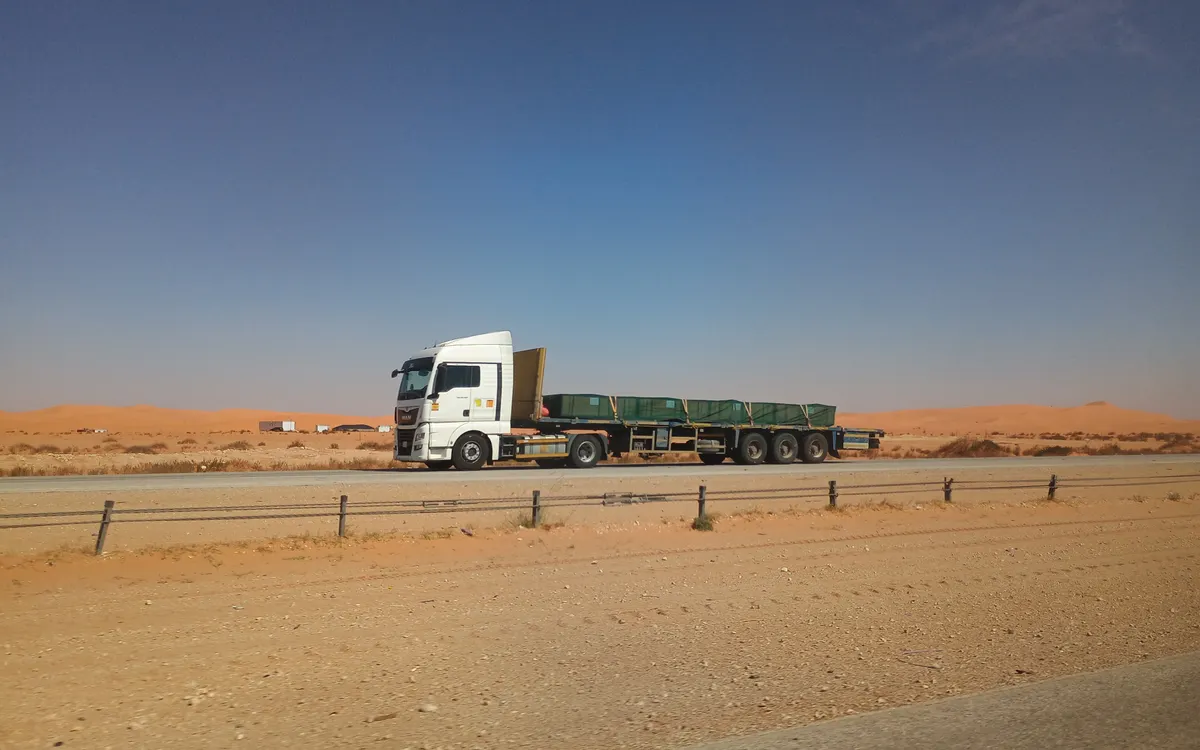
Connect Fuel and Vehicle Data With Fleet Activity
Combining GPS location with available fuel and vehicle data can add value to operational follow-up:
- Fuel levels or consumption where supported.
- Fuel-tank sensors as one possible monitoring method.
- CAN Bus data where compatible.
- Available engine operating information.
- Linking relevant operating records to trips or vehicles when supported.
Please note: GPS alone does not measure the actual fuel level. Data availability and accuracy depend on sensor quality, installation, calibration, vehicle compatibility and platform configuration, and fuel theft cannot be confirmed automatically from every drop in a reading.
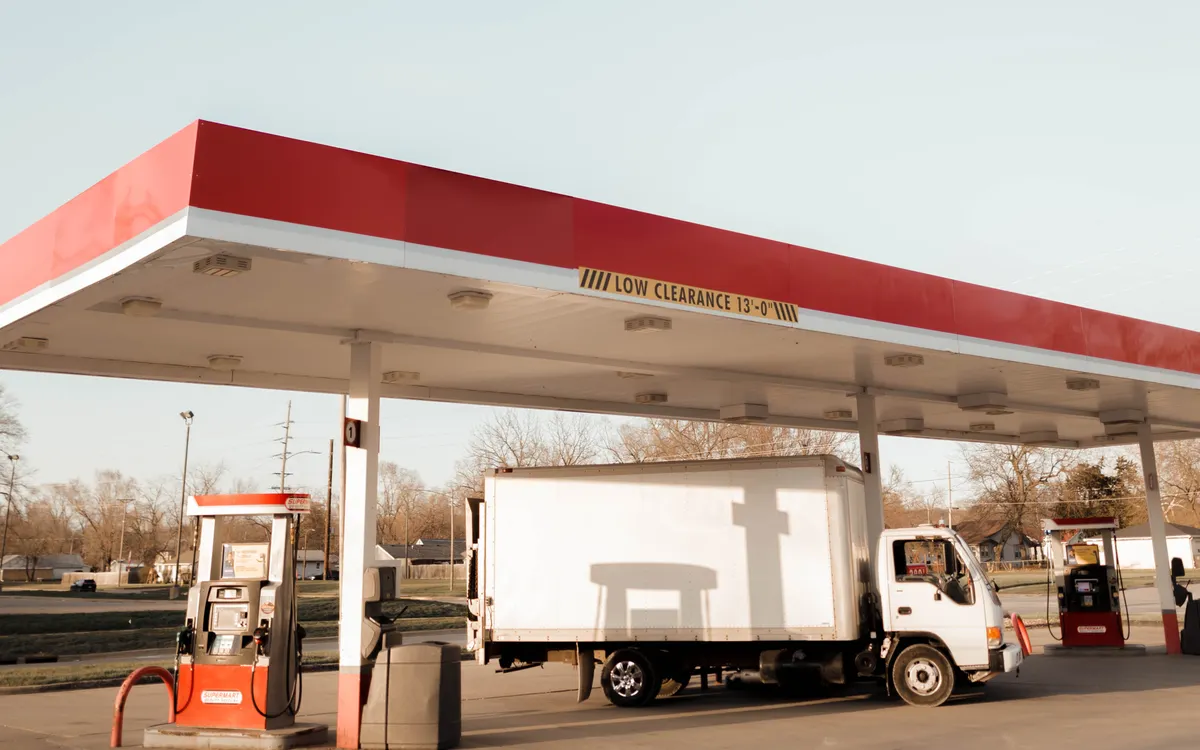
Better Visibility for Temperature-Sensitive Shipments
Compatible sensors can support monitoring of shipments and vehicle compartments through:
- Current temperature readings where supported.
- Configured temperature-threshold notifications.
- Door-opening events when supported by a compatible sensor or vehicle signal.
- Reviewing available historical readings and events.
- Helping supervisors investigate potential deviations from operating requirements.
Please note: monitoring sensors do not control the refrigeration unit or automatically preserve cargo quality. Alerts depend on the selected sensor, installation, configuration, connectivity and software.
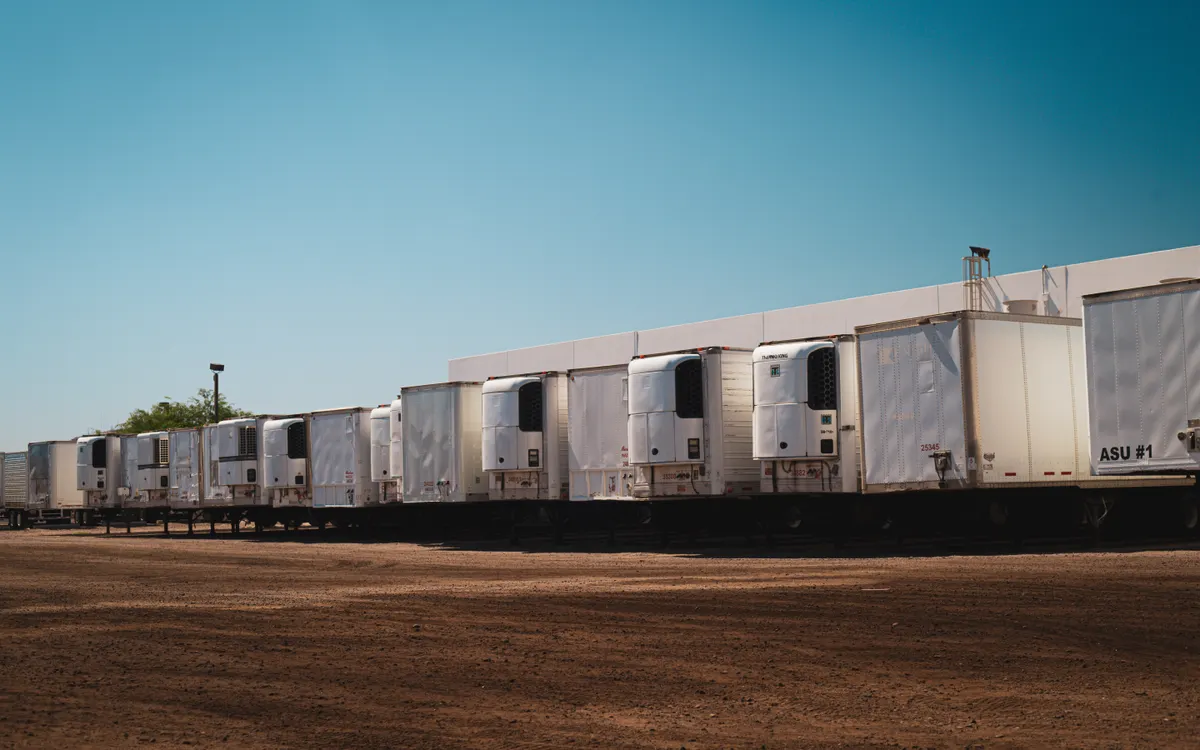
Operational Data for Better-Informed Decisions
Records and reports that may be useful to logistics supervisors, subject to the capabilities of the selected platform.
Trip and distance records
Records of trips and distances travelled.
Fuel reports
Available fuel reports, depending on the data source.
Operating indicators
Available vehicle operating indicators.
Driving events
Recorded driving events.
Temperature and door history
Temperature and door-sensor history where supported.
Movement history
Vehicle and asset movement history.
Please note: the platform helps organize operational information for review, but actual savings and operational results depend on how the organization uses that information.
Optional Odoo ERP Integration
Odoo integration is an optional add-on, separate from the core GPS monitoring solution.
Odoo as a standalone ERP
Odoo can be used as a standalone ERP according to the client’s requirements, and Afaq can provide Odoo Enterprise modules according to client needs and the agreed scope.
Integration direction
An optional Odoo integration can transfer suitable operational data from the tracking or fleet system into Odoo through an API, subject to the approved integration and available data fields. The integration direction is from the tracking/fleet system to Odoo; do not assume automatic two-way synchronization.
Potential uses
Subject to the actual mapping and configuration:
- Associating available vehicle or trip records with the relevant fleet or business records.
- Supporting selected cost and operational reporting workflows.
- Providing relevant data for management review.
Please note: fuel, distance, trip, maintenance, invoice or accounting records do not synchronize automatically unless the actual integration has been implemented and verified. The integration must be agreed and technically validated.
Hardware Selection for Your Operation
The right hardware depends on:
Vehicle type
Vehicle type and technical requirements.
Monitoring signals
The monitoring signals required.
Vehicle data
CAN Bus or other available vehicle data.
Sensors
Sensors needed, such as fuel or temperature sensors.
Power availability
Power availability for asset trackers.
Compatibility and installation
Platform compatibility and the required installation.
Afaq Smart Tracking works with hardware from brands such as Teltonika and HOWEN, subject to actual product compatibility and availability.
Please note: the final hardware list must be verified against the actual vehicles, functions and installation requirements before implementation.
Why Choose Afaq Smart Tracking?
An integrated approach that starts with your operational requirements.
Understanding requirements
Understanding the customer’s operational requirements.
Devices and sensors
Help selecting appropriate tracking devices and sensors.
Platform setup
Configuring available platform features and alerts.
Implementation
Support with implementation and operational setup.
Reports and integration
Help identifying relevant reports and integration requirements.
Technical support
Support within the agreed scope of service.
Frequently Asked Questions
Short answers to common questions about logistics and fleet solutions.
Can all fleet vehicles be monitored from one platform?
Yes, when the installed devices are integrated with the selected platform. Centralized visibility depends on the platform and how the devices integrate with it.
Can fuel consumption be monitored?
Yes, when a suitable data source is available, such as compatible CAN Bus information or a properly installed and calibrated fuel sensor. GPS alone does not measure fuel level.
Can shipment temperature be monitored?
Yes, using compatible temperature sensors that are configured appropriately. The sensors do not control the refrigeration unit.
Can the tracking system integrate with Odoo?
Yes, as an optional add-on, once it has been agreed and technically validated. Data flows from the tracking or fleet system to Odoo through an API.
Is CAN Bus data available for every vehicle?
No. CAN Bus availability depends on vehicle compatibility and the data required, and may need a suitable device or adapter.
Can alerts be tailored to business requirements?
The available alerts can be configured according to the platform, hardware, available signals and configuration.
Do I need additional sensors?
It depends on the functions you need. Some functions require additional sensors or compatible hardware, such as temperature, door or fuel sensors, while others may be available from the installed tracker or vehicle data.
Improve Visibility Across Your Logistics Operations
Talk to Afaq Smart Tracking about your fleet requirements and identify the right combination of tracking, sensors, and vehicle data for your logistics operation.