Know where your assets and equipment are, and follow their movement clearly
Afaq asset tracking solutions help you follow the locations of mobile assets and equipment and review the movement events and alerts available, supporting better asset organisation and clearer operations.
What is asset tracking?
Asset tracking helps organisations identify the location of selected assets and follow their movement, using compatible tracking devices and a supporting monitoring platform.
Assets that can be tracked include:
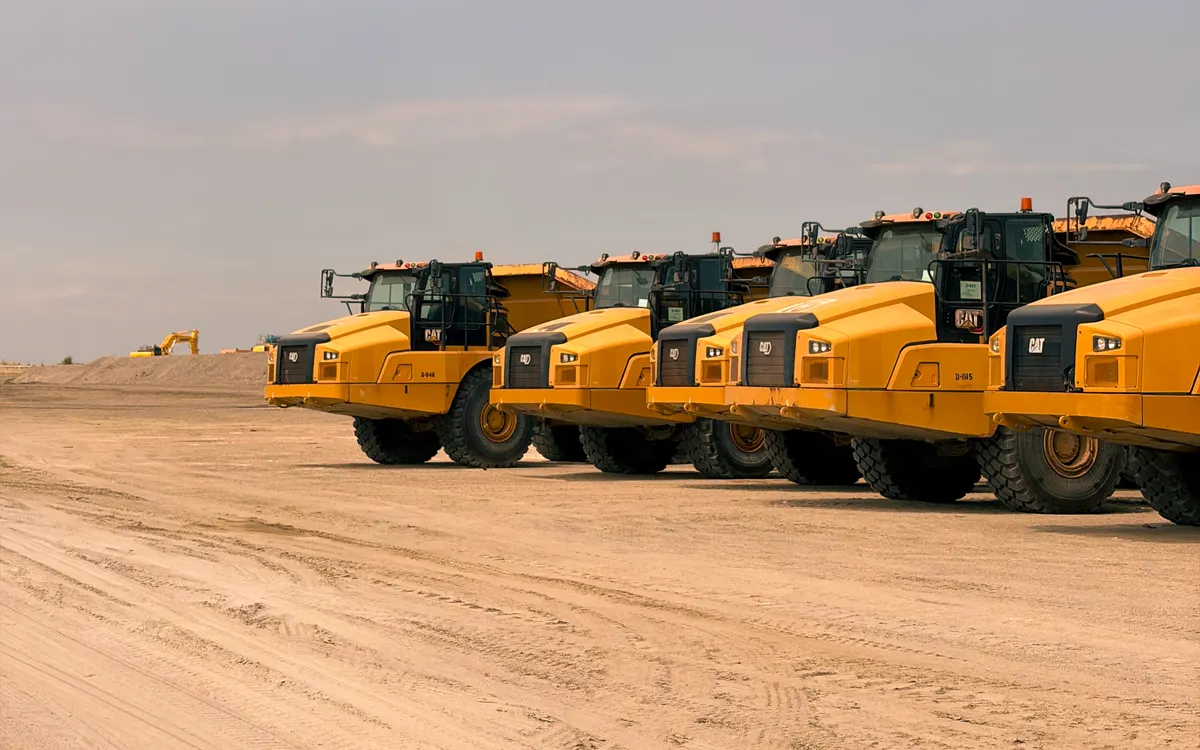
- Heavy equipment.
- Generators and mobile equipment.
- Trailers and transportable assets.
- Operational equipment.
- Assets whose location or movement needs to be followed.
The right device depends on whether the asset is powered or unpowered, how often its location needs to update, the expected battery life, environmental conditions and the monitoring functions required.
The challenges of following assets and equipment
Challenges that recur when asset monitoring relies on manual procedures or scattered information.
Hard to know where assets are
Up-to-date location information can be hard to obtain when asset data is scattered or monitoring relies on manual procedures.
Unexpected movement
Operations teams may need to know about recorded events when an asset moves from its usual location, if the device supports this.
Many sites and assets
Managing assets spread across multiple sites requires a clear way to review their locations and available status.
Records are hard to review
Organisations may need to refer to the available location and movement history to help organise monitoring.
How asset tracking works
Steps that start with understanding the asset before choosing a device.
Identify the asset type
Define the nature of the asset and where it is used, and whether it needs a powered or battery-operated device.
Choose the right tracker
Select a device according to location requirements, update frequency, battery and operating environment.
Set up the device and platform
Install or mount the device appropriately, then set up the platform and the functions the equipment supports.
Follow locations and events
Review the locations, events and alerts available on the platform according to system settings.
Not every asset tracker provides continuous live tracking or the same update frequency; this depends on the device, power source and settings.
Tracking solutions for different types of assets
The right device for each asset type depends on its nature and operating conditions; no single device suits every case.
Heavy equipment
Track mobile equipment on work sites or in transit with a device suited to the equipment and operating conditions.
Generators & operational equipment
Follow the location of assets whose whereabouts you need to know and access.
Trailers
Follow trailer locations and movement with equipment suited to the asset type and update needs.
Mobile assets
Follow transportable assets as they move between sites, according to the capabilities of the device used.
Unpowered assets
Choose battery-operated trackers where needed, taking battery life, reporting frequency and conditions of use into account.
Assets across multiple sites
Organise the location and event data available for assets spread across different operating sites.
Features that help you follow your assets
Capabilities that depend on the device model, connectivity, power source, platform and configuration.
Location tracking
Review the last location sent by the tracker, according to its reporting frequency and network connectivity.
Movement history
Go back to movement events or location records when the device and platform keep this data.
Geofences
Define geographic zones and review entry or exit events if the feature is supported and configured.
Movement alerts
Use movement or tamper alerts when the equipment supports these functions.
Battery monitoring
Review battery level or status when the tracker provides this data.
Multiple assets
Use the platform to review registered assets, their locations and the information available.
How to choose the right tracker for your asset
Two broad categories of asset trackers; the choice depends on the asset and how it is used.
Powered asset trackers
- May suit equipment or vehicles with a suitable power source.
- The choice depends on connection requirements, the operating environment and device functions.
- The device’s suitability for the asset must be checked before installation.
Battery-operated asset trackers
- May suit assets without a continuous power source.
- Operating time depends on battery capacity, reporting frequency, connectivity conditions, temperature and device settings.
- May need periodic battery checks or replacement according to the device’s recommendations.
Please note: battery life and installation specifications are only stated once verified for the specific device, as they vary with the model, settings and conditions of use.
Follow asset movement within defined zones
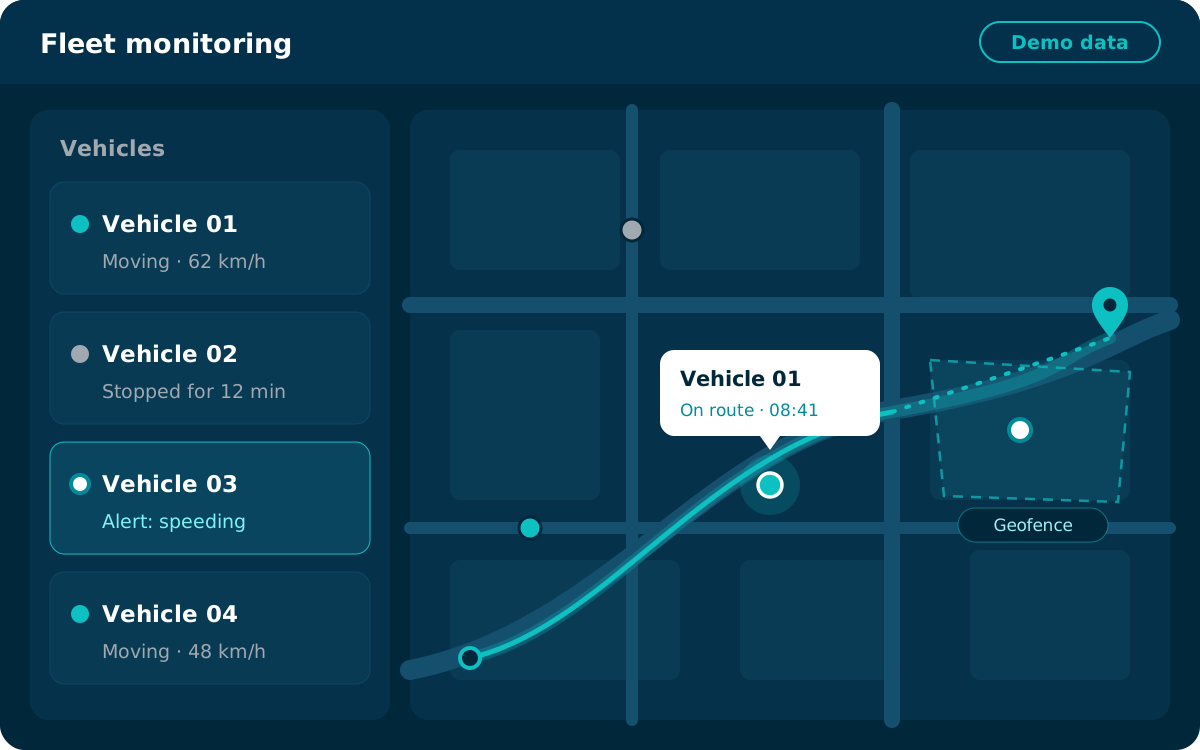
Geofencing can help you review asset movement relative to predefined geographic boundaries, when the installed device and platform support it.
- Define a geographic zone around a specific location.
- Review entry and exit events when supported.
- Use movement alerts once they are configured.
- Review recorded events to help organise monitoring.
Please note: the reliability and timing of alerts depend on device capabilities, positioning accuracy, the reporting interval, connectivity, configuration and platform behaviour. Alerts are not instantaneous in every situation, and a geofence does not physically prevent an asset from moving.
The interface shown is illustrative and does not display real data.
Key considerations when tracking unpowered assets
Practical factors that affect battery-operated trackers.
Reporting frequency
More frequent reporting may increase energy use, depending on the device and settings.
Sleep or idle periods
Modes the device supports to reduce energy use between reports.
Coverage and connectivity
Network coverage quality affects data transmission and energy use.
Temperature and environment
Temperature and environmental conditions can affect battery performance.
Mounting method
Where the device is mounted affects signal reception and protection.
Battery capacity and usage
Operating time depends on battery capacity and how the asset is used.
Please note: an exact service life or battery duration cannot be stated without verified specifications for the specific model, its settings and conditions of use.
From location tracking to organised asset operations
The asset data available can support organised operations and daily monitoring.
Reviewing asset locations
Review the locations of assets registered on the platform.
Last reported location
See the last location sent by the tracker.
Movement events
Review recorded movement events.
Organising asset data
Organise asset data and locations.
Supporting inventory checks
Support inventory and operational follow-up.
Available alerts
Review the alerts available, depending on the device and platform.
Please note: a GPS tracker does not automatically provide every kind of inventory, usage, condition, engine-hour or maintenance data. That information may require compatible sensors or inputs, vehicle data or a separate business-management system.
Tracking solutions that fit your assets
An approach that starts with the asset and the environment it is used in.
Understanding the asset
Understanding the asset and the environment it is used in.
The right device
Help choosing the right tracking device.
Power and update frequency
Taking the power source and location update frequency into account.
Platform setup
Setting up the platform functions available.
Technical support
Support within the agreed scope of service.
Asset tracking FAQs
Short answers to common questions about asset and equipment tracking.
What is asset tracking?
It uses compatible tracking devices and a monitoring platform to identify the location of selected assets, such as equipment, trailers and generators, and to review their movement and the recorded events available.
Can heavy equipment and trailers be tracked?
In many cases, yes, using a device suited to the asset type, the available power source and the operating conditions. The device is chosen after reviewing the asset and your monitoring needs.
What is the difference between a powered tracker and a battery-operated tracker?
A powered tracker draws on a power source in the asset or vehicle, while a battery-operated tracker runs on an internal battery and suits assets without power. The latter’s operating time depends on battery capacity, reporting frequency and surrounding conditions.
Can I see an asset’s last location?
Yes. The platform usually shows the last location sent by the tracker; how recent it is depends on the reporting frequency, network connectivity and device settings.
Can alerts be set up when an asset moves?
Yes, when the device supports movement detection and alerts are configured on the platform. When an alert arrives depends on the device, connectivity and reporting interval.
Does the system support geofences?
Many platforms support defining geographic zones and reviewing entry and exit events, provided the device and platform support this function and it is configured correctly.
Can the tracker’s battery be monitored?
When the device provides battery level or status data, it can be reviewed on the platform. Not every device provides this data in the same detail.
How do I choose the right tracker for my assets?
We review the asset type, the availability of power, how often the location needs to update, the conditions of use and the functions you need with you, and then recommend a suitable device.
Start following your assets and equipment more clearly
Find the asset trackers that suit your equipment, your operating environment and your monitoring needs.